Explore all 50 articles on content writing, SEO and digital marketing. Select an image or title to read the article.

How to Replace Vague Business Words with Specific Details
Replace vague business words with specific details about timing, deliverables, quality, and limits, using practical examples without inventing new promises.

How to Keep Quotations Accurate in Business Articles
Keep quotations accurate in business articles by checking original wording, preserving qualifications, verifying attribution, and reviewing each excerpt.

How to Write Clear Conditions and Exceptions in Instructions
Write clearer conditions and exceptions in instructions. Learn when to use if, when, and unless, define decision paths, and test practical workplace examples.

How to Choose Active or Passive Voice in Business Instructions
Choose active or passive voice in business instructions with practical examples that clarify responsibilities, system actions, outcomes, and recovery steps.

How to Make Lists Easier to Read with Parallel Structure
Make lists easier to read with parallel structure. Learn to align verbs, nouns, questions, and introductions through clear before-and-after editing examples.

How to Give Each Business Paragraph One Clear Job
Give each business paragraph one clear job with focused topic sentences, relevant supporting details, useful qualifications, and transitions that guide readers.

How to Write Useful Definitions for a Non-Specialist Reader
Write useful definitions for non-specialist readers with clear categories, practical examples, meaningful boundaries and explanations placed where needed.

How to Introduce Acronyms Without Losing Your Reader
Introduce acronyms clearly, explain unfamiliar terms and avoid unnecessary short forms with practical examples for workplace guides and project updates.

How to Make Pronoun References Clear in Business Writing
Make pronoun references clear in business writing with practical examples for ambiguous names, ownership, singular they, team roles and reused messages.

How to Choose Between Bullet Points and Paragraphs
Learn when to use bullet points, paragraphs or both. Test your draft with reader questions and preserve the context that makes each passage useful.

How to Write an Article Conclusion with a Useful Next Step
Write article conclusions that give readers a useful next step. Match the ending to your promise, preserve qualifications and avoid empty recaps.

How to Keep Names and Actions Consistent in Instructions
Make instructions easier to follow by checking object names, action verbs and status changes. Use a practical terminology pass on one complete task.

How to Write a Useful Article Introduction Without a Long Warm-Up
Write an article introduction that identifies the reader’s problem, gives an early answer, and sets a clear scope without inflated promises.

How to Use Examples Without Turning Them into Unsupported Claims
Use hypothetical examples, sample numbers, and real cases clearly so readers can learn from an article without mistaking illustration for evidence.

How to Make a Long Checklist Easier to Follow
Organize a long checklist into clear stages, observable actions, and useful completion criteria without hiding exceptions or changing the real process.

How to Write a Short Professional Bio Without Inflated Claims
Write a focused professional bio using verified roles, relevant experience and precise qualifications, with practical checks for tone and publication.

How to Write Clear Dates, Deadlines and Time Windows
Write dates and deadlines readers can act on. Clarify cutoff times, time zones, duration triggers and availability windows without changing commitments.

How to Make Required and Optional Instructions Clear
Make website instructions easier to follow by separating requirements, recommendations, optional actions and expected outcomes without inventing rules.
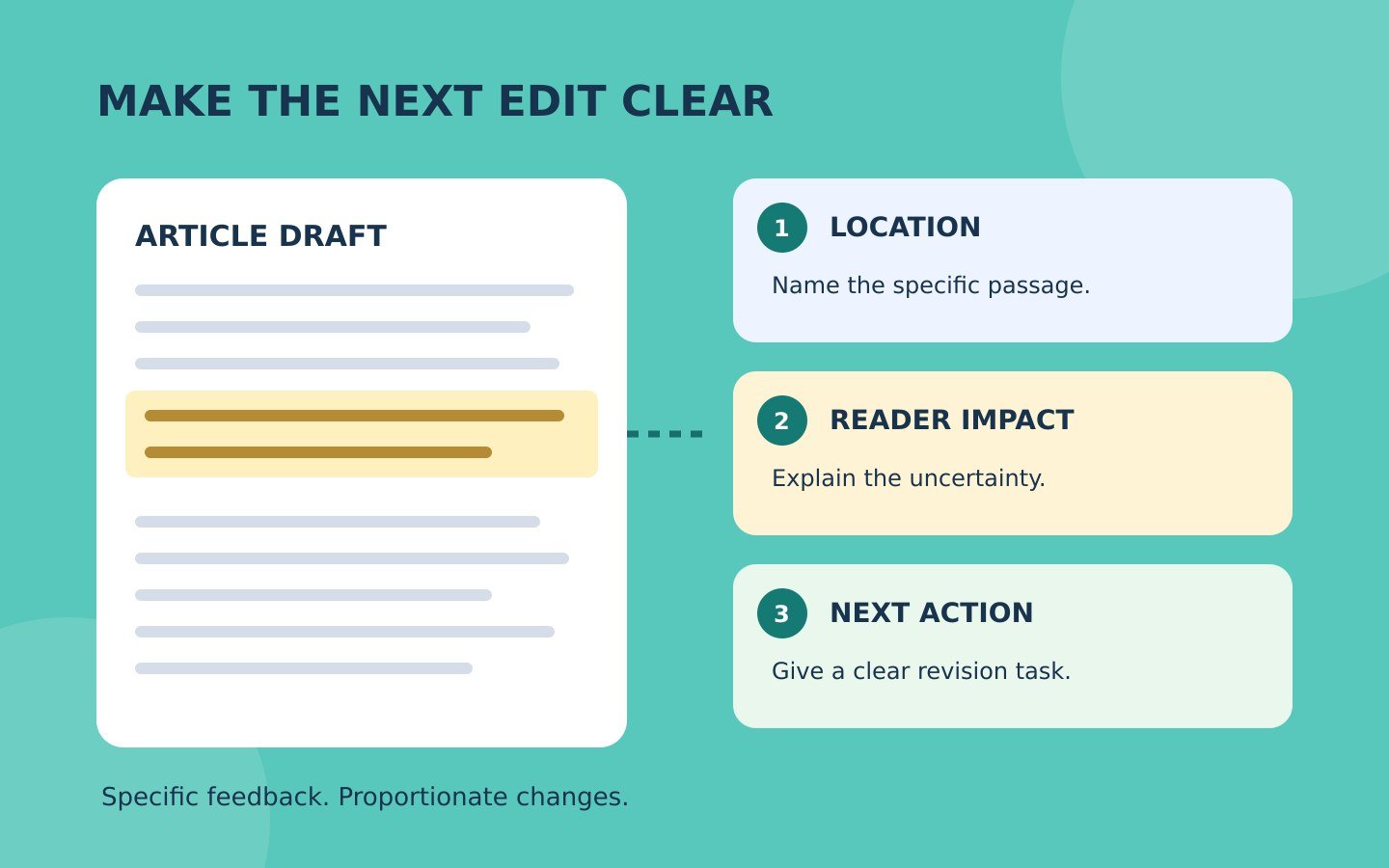
How to Write Content Review Comments That Lead to Clear Revisions
Write useful content review comments by identifying the problem, explaining its effect on the reader and proposing a clear, proportionate next action.
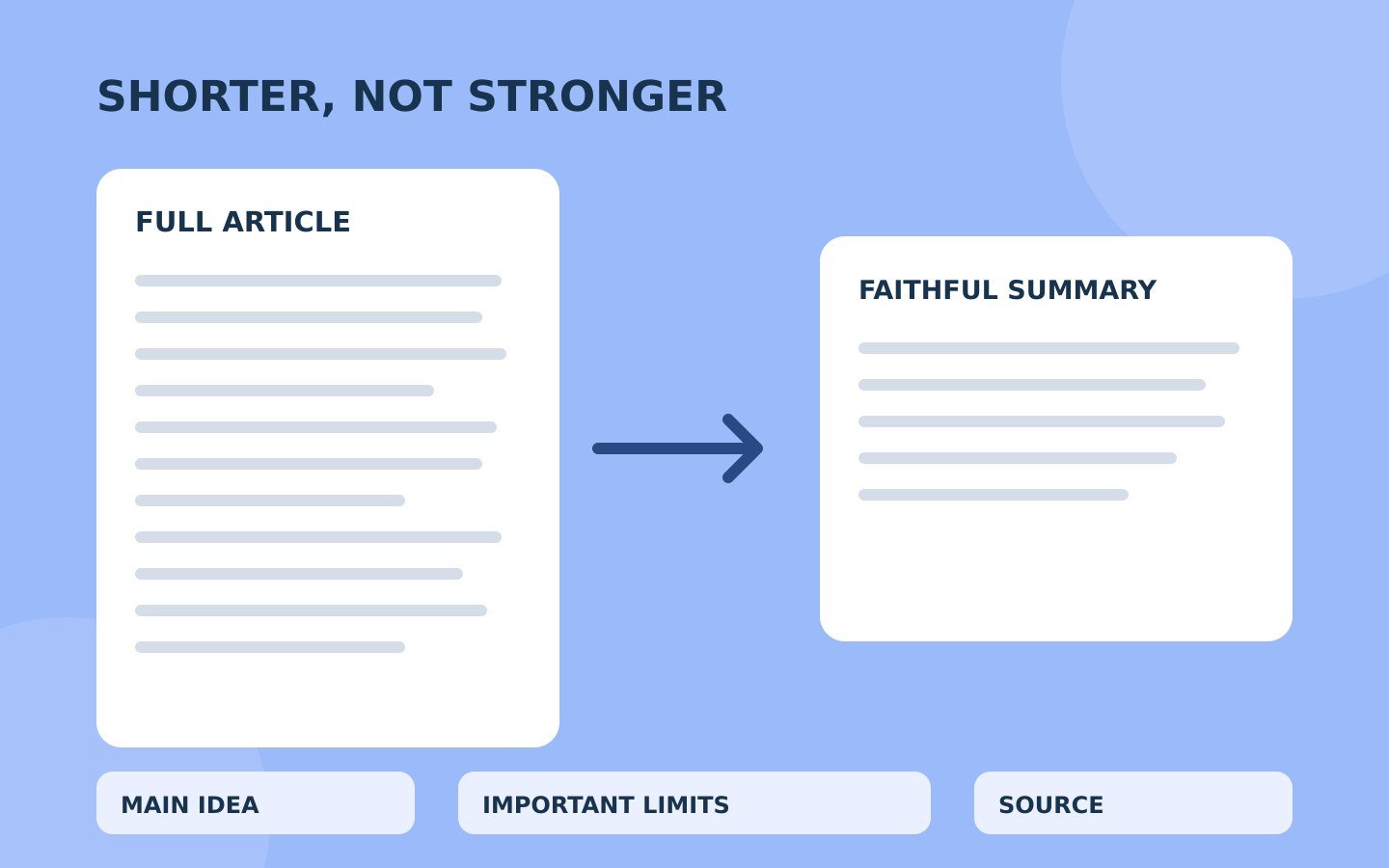
How to Summarize an Article Without Losing Important Qualifications
Summarize articles clearly while preserving their main ideas, important limits and attribution. Use a practical claim-by-claim check before publishing.

How to Write Image Captions That Add Useful Context
Write editorial image captions that explain context, label examples honestly and complement accessible image descriptions without repeating the article.
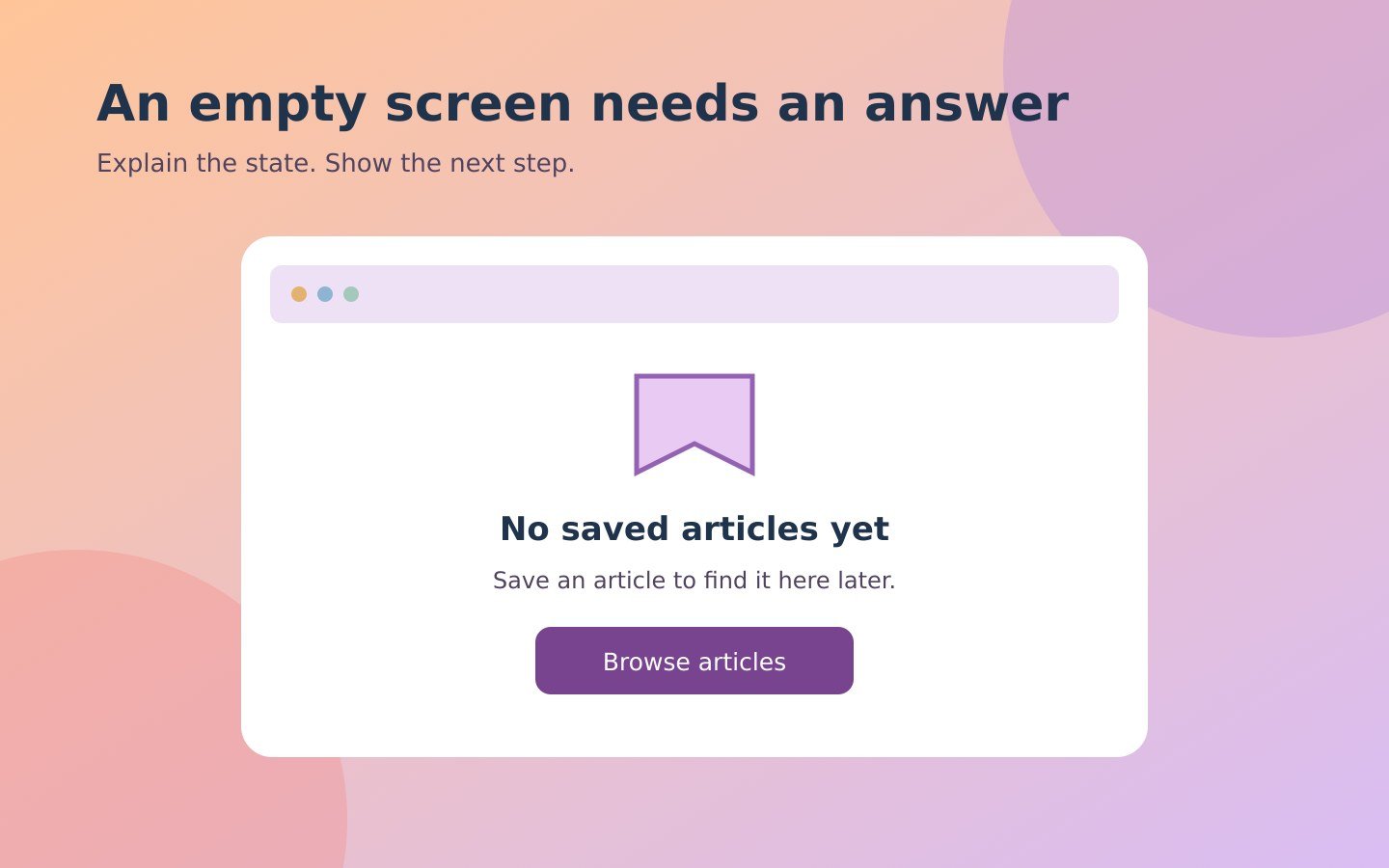
How to Write Helpful Empty-State Messages for a Website
Write clear messages for empty lists, searches and dashboards. Explain the current state and offer an appropriate next action without misleading users.
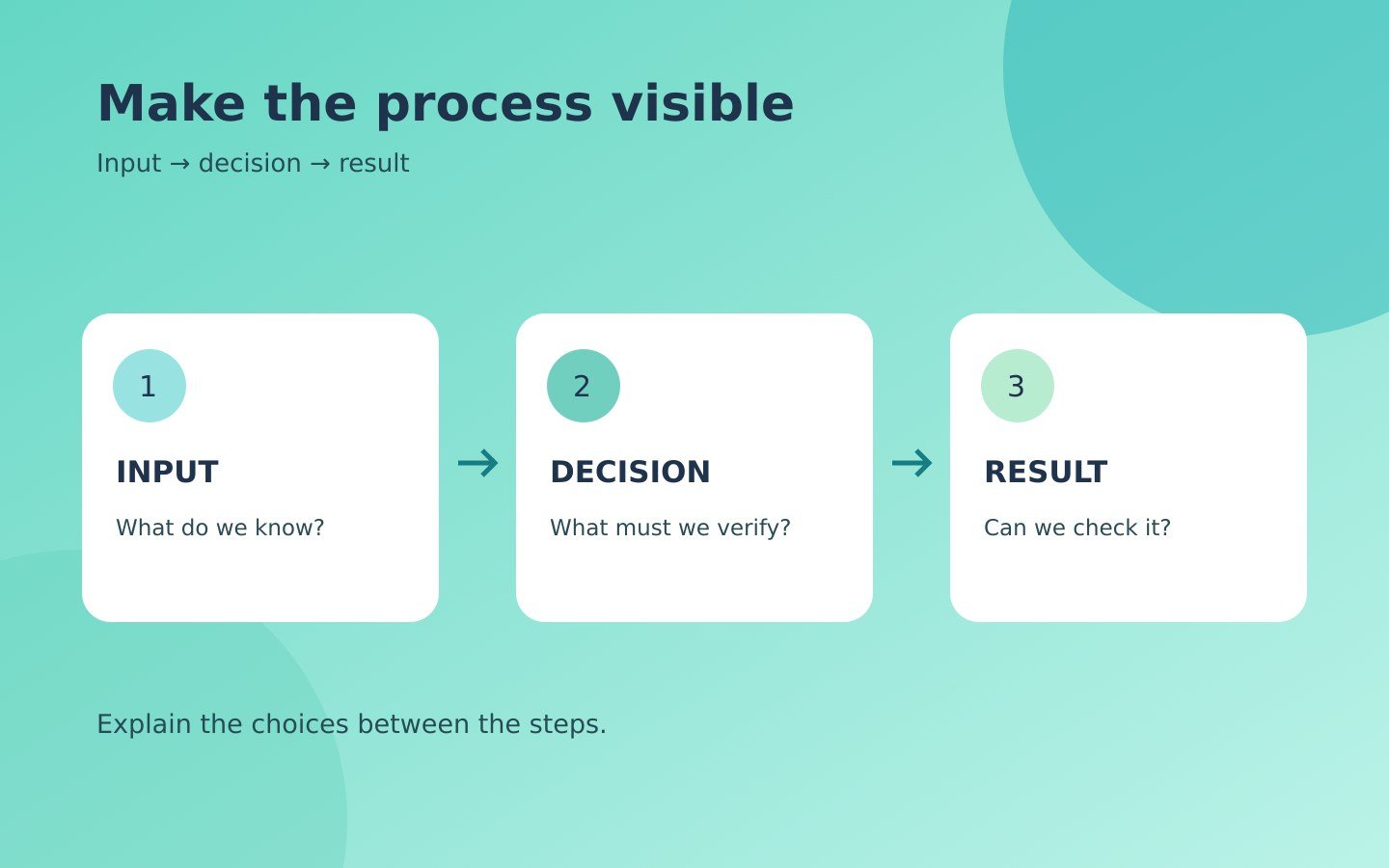
How to Explain a Complex Process with a Worked Example
Turn an abstract process into a useful worked example with clear starting conditions, visible decisions and realistic checks, without invented results.
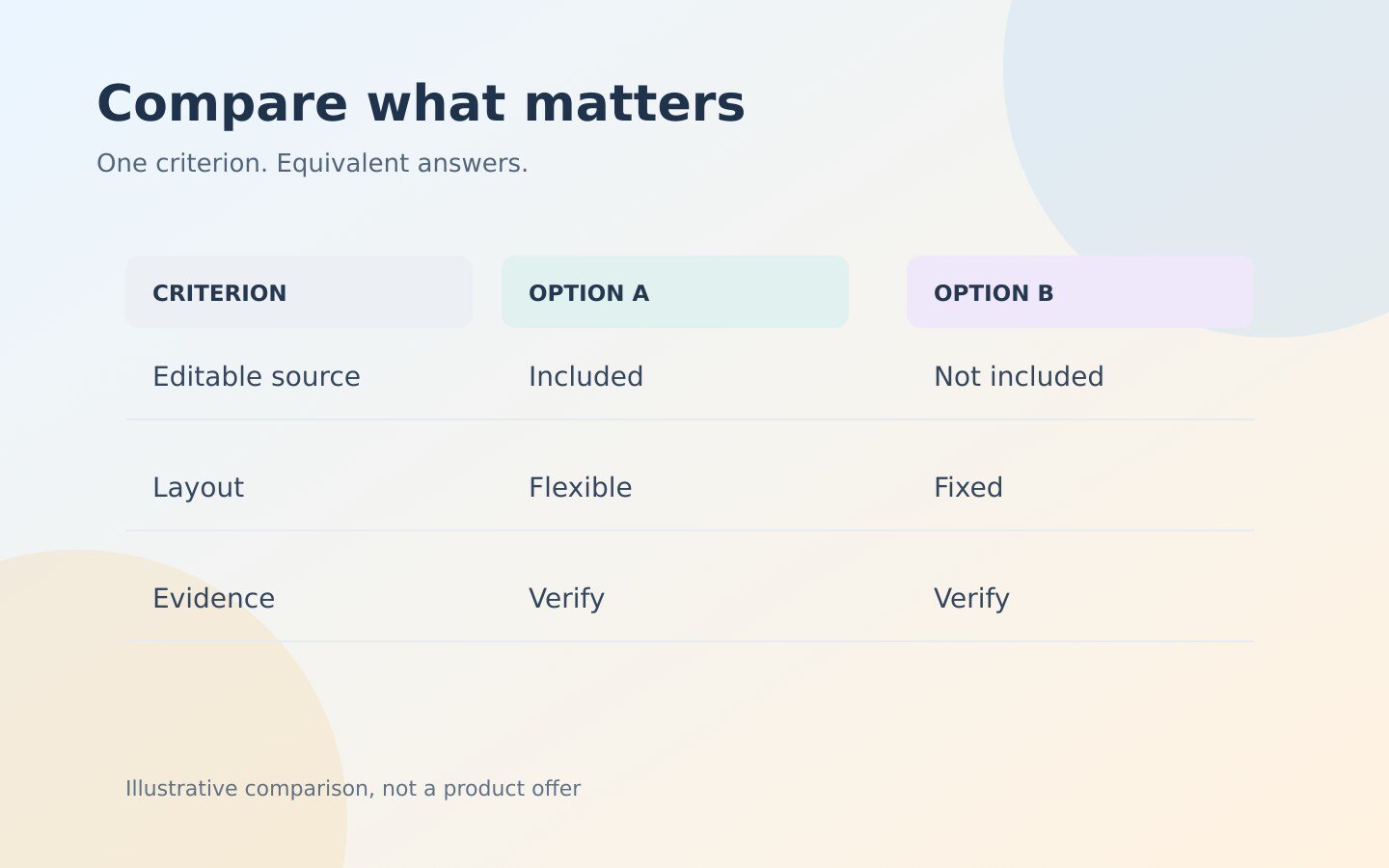
How to Write Useful Website Comparison Tables
Choose meaningful criteria, write equivalent answers, and review comparison tables for clarity and narrow screens.

Digital Marketing Strategy for 2026: A Practical Framework

Scaling Content Production Without Losing Quality

How Content Marketing Drives Business Growth

Small Business Marketing Budget: How to Allocate Every Dollar

Building Online Authority: Becoming the Trusted Name in Your Niche

SEO Content Writing: The Complete Guide for 2026

How to Write Content That Converts Readers Into Customers

How to Write SEO Articles That Rank on Google

Website Copywriting: How to Write Pages That Sell

How to Write Product Descriptions That Sell

How to Build a Content Marketing Strategy From Scratch

Keyword Research for Beginners: A Practical Step-by-Step Guide

Blog Post Ideas That Attract Traffic: 15 Formats That Always Work

Local SEO for Small Business: The Complete Starter Guide
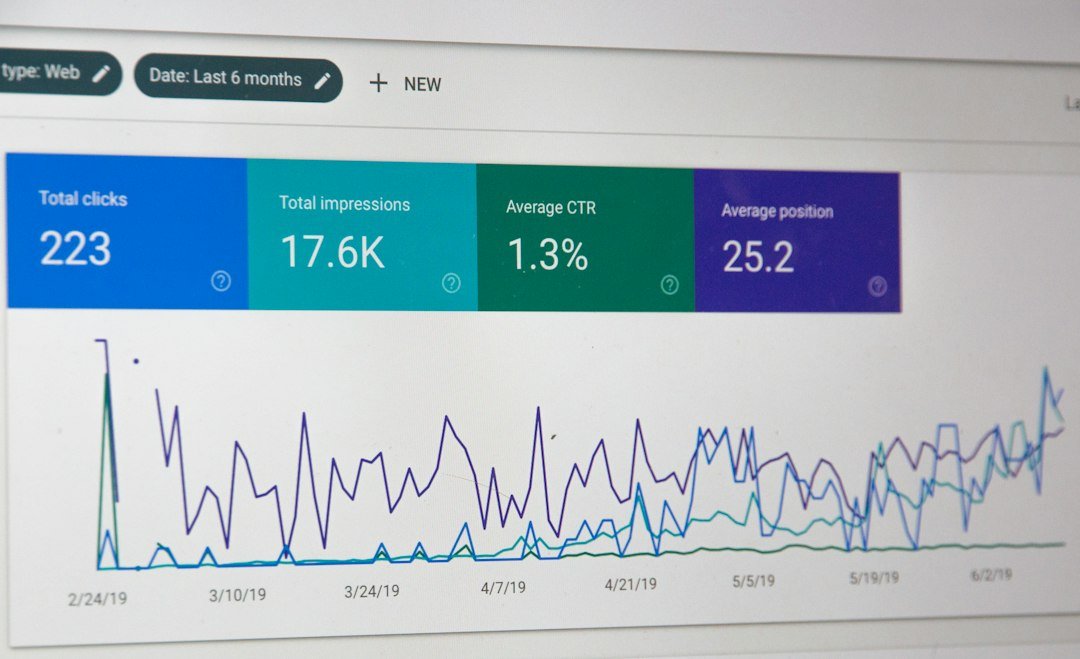
E-commerce SEO Checklist: 20 Steps to More Organic Sales

How to Build a Content Calendar You’ll Actually Stick To

The SEO Article Structure Template We Use for Every Client

The Perfect Blog Post Structure (With Template)

Content Writing vs Copywriting: What’s the Difference?

Category Page SEO: The Most Underrated Pages in E-commerce
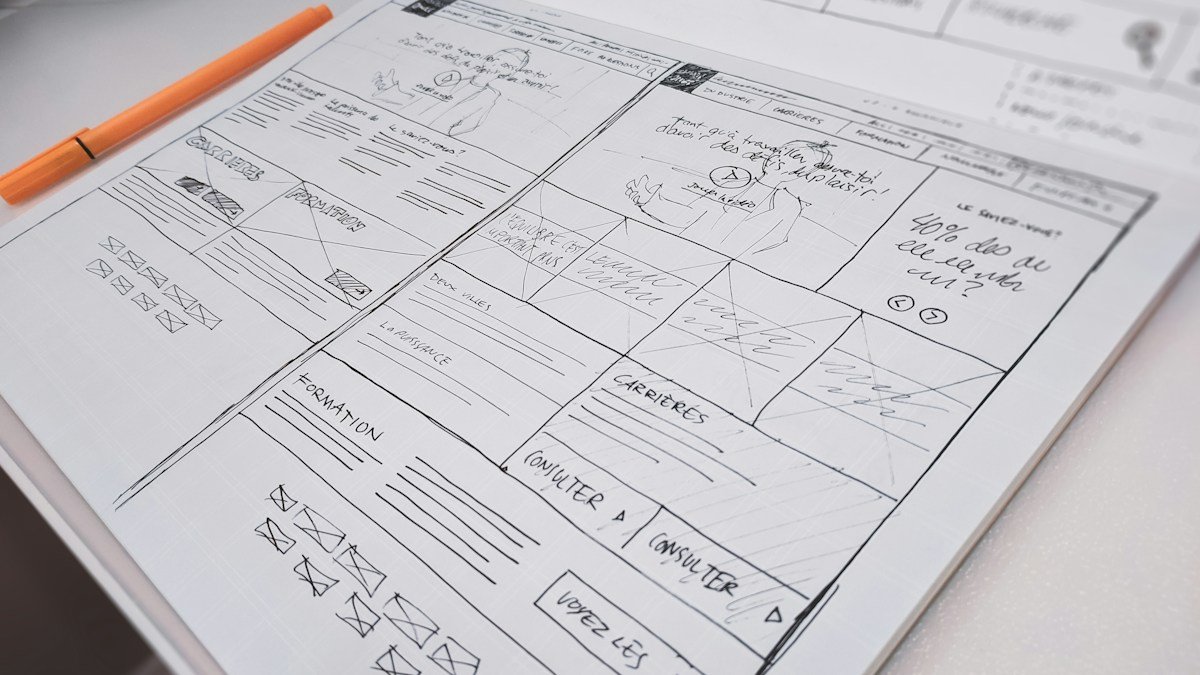
The Homepage Copy Formula: 7 Blocks Every Homepage Needs

Google Business Profile Optimization: The Complete Walkthrough

On-Page SEO Checklist: 25 Things to Fix Before You Publish

Social Media Content Strategy for Small Businesses

Long-Tail Keywords: The Small Site’s Unfair Advantage

10 Product Description Examples (And Why They Work)

The Professional Editing Checklist: 15 Passes Before Publishing

Content Repurposing: Turn One Article Into 15 Assets

Technical SEO Basics Every Website Owner Should Know

How to Write an About Page That Actually Builds Trust

Search Intent Explained: The Four Types and How to Match Them

How Long Should an SEO Article Be? The Data-Backed Answer

Product Page SEO: Rankings, Rich Results and Reviews

How to Define Your Brand Voice in One Afternoon

Link Building Strategies That Still Work in 2026

Local Keyword Strategy: Ranking in Every City You Serve

7 E-commerce Copy Mistakes That Kill Conversions

How Often Should You Publish Blog Posts? (Realistic Answer)

How to Measure Content Marketing ROI (Without a Data Team)

How to Write Social Media Captions That Convert

Content Pillars for Social Media: A Simple System That Works

Email Marketing for Small Businesses: The Complete Starter Guide

Email Subject Lines That Get Opened: Formulas and Examples

The Welcome Email Sequence: Turning New Subscribers Into Customers

Website Speed Optimization: The Small Business Guide

Conversion Rate Optimization: A Beginner’s Guide to CRO

Core Web Vitals Explained: What They Are and How to Pass

AI Content Marketing: A Practical Guide for 2026

AI vs Human Writers: An Honest Comparison for Businesses