A quotation can make a business article more specific, but it also creates a responsibility. Readers expect the words inside quotation marks to belong to the named source. If an editor smooths the wording, removes a qualification, or attaches the wrong speaker, the article can misrepresent what was actually said.
A useful quotation review looks beyond spelling and punctuation. It checks the wording, the source, the surrounding context, and the job the passage performs in the article. The examples below are hypothetical editing exercises. They are not statements from customers, employees, or other real people.
Decide why the exact words matter
Before inserting a quotation, identify what readers gain from seeing the original wording. Perhaps the source defines an unfamiliar term, states a carefully limited position, or explains a decision in a distinctive way. If the passage merely repeats information your paragraph already covers, a quotation may add length without adding value.
Purdue OWL distinguishes quotations from paraphrases and summaries: quotations preserve the source’s wording, while the other forms express source material in the writer’s own words. All require appropriate attribution. Choose the form that serves the reader rather than placing quotation marks around a rewritten explanation.
For example, a hypothetical source might say, “The trial covers the scheduling feature, not the full booking system.” The exact contrast may deserve quotation because it prevents an important misunderstanding. A routine explanation of where to find the trial settings might be clearer as an attributed paraphrase.
Keep a traceable source beside the draft
Record where each quotation came from while you are drafting. For a webpage, keep its title, author or organization, URL, and the section containing the passage. For a document, record its version and page. For an interview recording you are authorized to use, note the relevant timestamp and speaker.
These details let a reviewer return to the evidence without reconstructing your research. A copied sentence in an untitled notes file is difficult to verify, especially when several speakers or document versions discuss similar issues. Keep your working notes separate from the public article, but make the public attribution clear enough for readers to understand the source.
Do not treat a search-result snippet as the full source. Open the underlying material and read the surrounding passage. A snippet may omit the qualification that explains when the statement applies. If the original cannot be accessed, mark the quotation as unresolved rather than filling gaps from memory.
Compare the quotation word by word
Place the draft and source beside each other. Check names, numbers, negatives, and small qualifying words as carefully as the main nouns and verbs. Changing “may reduce delays” to “reduces delays” turns a possibility into a more definite claim. Dropping “in this trial” can make a limited observation sound universal.
For recorded speech, distinguish a rough automatic transcript from a checked quotation. Replay the relevant segment, including the question and the response around it. If a word remains unclear, choose another verifiable passage or explain the point through a carefully supported paraphrase. Do not insert the word that seems most convenient for the article.
Keep editorial improvements outside quotation marks. If a source uses a long sentence, you can introduce it more clearly or quote a shorter complete portion. You should not silently replace its vocabulary with your preferred wording and continue presenting the result as exact speech.
Preserve qualifications when shortening a passage
A shorter quotation can be easier to read, but cutting text can also change its meaning. Consider the invented statement, “We can offer next-day dispatch for stocked items, provided the order is approved before noon.” Quoting only “We can offer next-day dispatch” removes both the stock restriction and the approval condition.
Ask what a reasonable reader would conclude from the shortened version. If that conclusion differs from the full passage, use more of the original or summarize the complete point with attribution. A visually tidy quotation is not worth an inaccurate promise.
Purdue’s guidance on formatting quotations describes brackets for added words and ellipses for omissions within its MLA conventions. Follow the applicable editorial style when marking changes. Those marks make an intervention visible; they do not make a misleading cut acceptable.
When an excerpt needs several omissions and explanations, reconsider whether direct quotation is the best form. A short attributed paraphrase followed by one intact phrase may be clearer than a heavily patched passage.
Make the attribution as accurate as the quotation
A correct sentence can still mislead if it is assigned to the wrong person or organization. Check whether the words belong to the interviewee, the interviewer, a quoted third party, or an editor’s summary. A company webpage may report someone else’s position without endorsing it.
Choose the attribution verb carefully. “Said,” “wrote,” “explained,” “estimated,” and “confirmed” do different jobs. If a source offers an estimate, “confirmed” adds certainty that may not exist. If a document proposes a change, do not describe it as announcing a completed change.
Include the context readers need, such as the document date or the relevant role at the time. Avoid inventing credentials to make the source sound more authoritative. If you cannot verify a title, use a narrower attribution you can support rather than adding an impressive but uncertain label.
Separate a source’s claim from the article’s conclusion
Quotation marks establish whose words are being presented; they do not establish that every factual claim inside them is true. A supplier’s description of its product remains a supplier claim unless the article has additional evidence to support a broader conclusion.
In a hypothetical article, “The manufacturer describes the material as suitable for repeated outdoor use” reports the manufacturer’s position. “The material withstands all outdoor conditions” is a different claim. The latter should not emerge merely because an enthusiastic source used similar language in an interview.
Keep the quotation and your analysis visibly distinct. Explain what the source supports, what remains uncertain, and whether the statement is a forecast, opinion, observation, or verified fact. Our guide to using examples without creating unsupported claims addresses the related risk of making illustrative material look like evidence.
Keep revisions visible during editorial review
If a reviewer flags a quotation, record the issue precisely: missing condition, uncertain speaker, outdated source version, or mismatch with the recording. Replace a vague comment such as “check quote” with the exact question that needs answering. Keep the original passage available while the correction is being discussed.
After a correction, compare the revised sentence with its surrounding paragraph again. Changing the excerpt can affect the argument that introduces it. A paragraph built around guaranteed delivery, for example, needs revision if the verified source only offers an estimated dispatch date. Fixing the quotation alone would leave the larger claim unsupported.
Check repeated quotations in the final layout
A passage may appear accurately in the body and inaccurately in a pull quote, social preview, or image caption. Review each repeated version, especially if someone shortened it to fit a design. Keep its attribution connected to it, and preserve any qualification needed to understand the point.
Inspect the saved page after formatting. Confirm that quotation marks, links, names, and special characters survived the editing process. If the article uses a block quotation, make sure the surrounding text still distinguishes the source’s words from your own commentary.
The final question is straightforward: can another editor find the original and explain why this excerpt represents it fairly? A short record of the source, a word-by-word comparison, and a context check make that answer easier. They also give future editors a reliable starting point when the article needs updating.
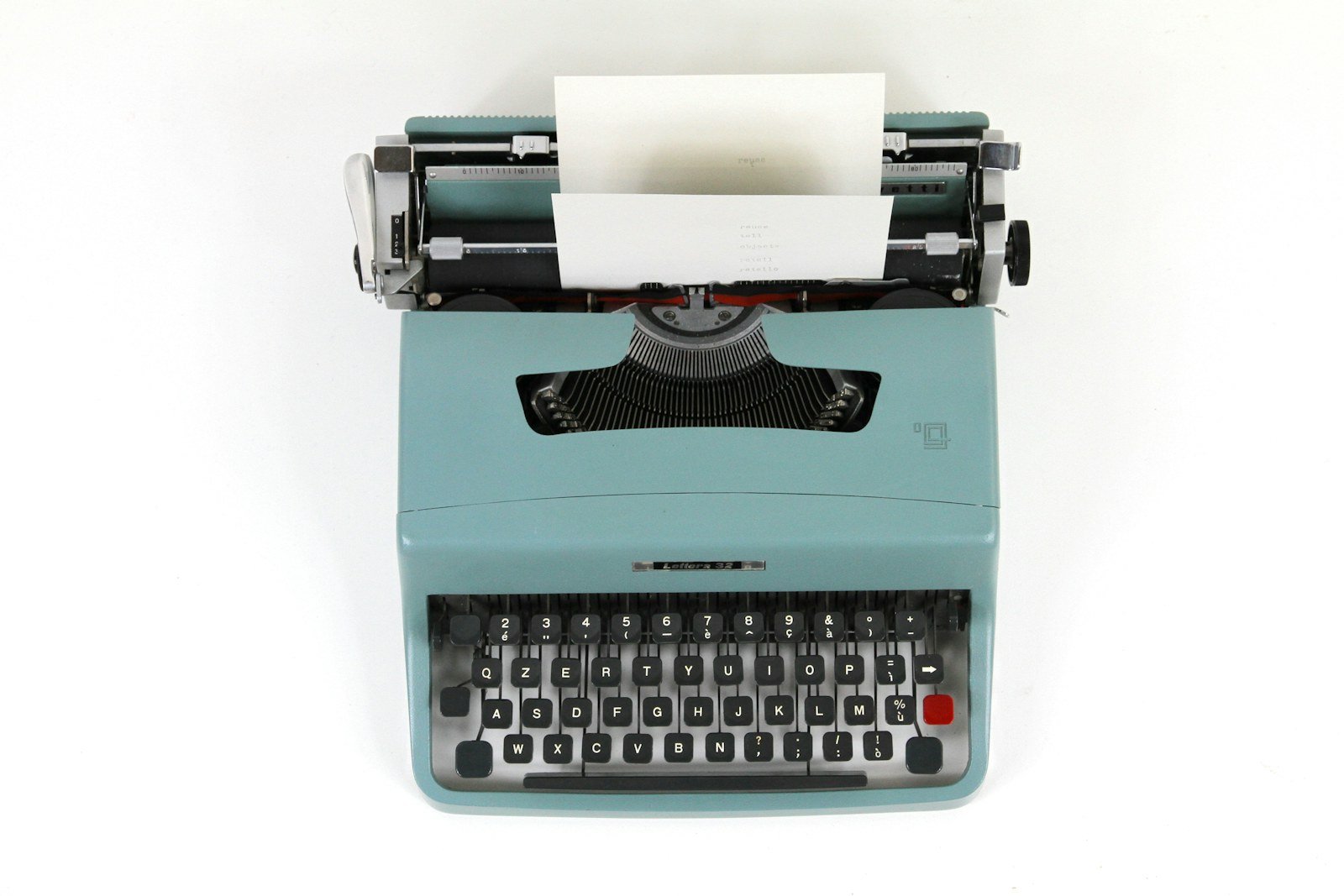
Photo: Luca Onniboni / Unsplash. Illustrative stock photograph.